
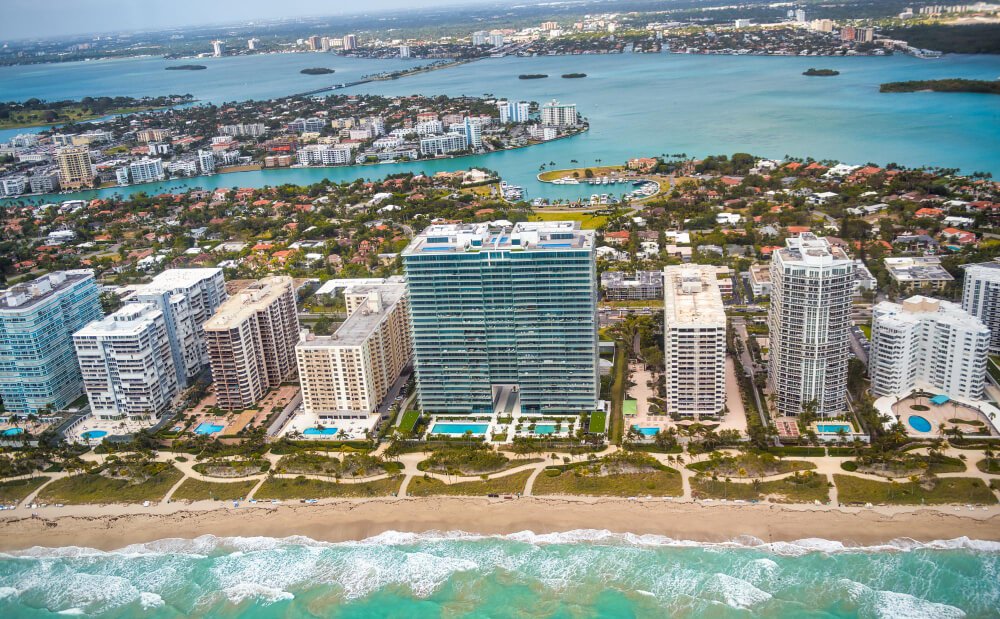

Pembroke Pines is one of Broward County’s largest and most diverse cities — a mix of family neighborhoods like Chapel Trail, lakeside communities like Silver Lakes, active adult communities like Century Village, and newer developments like Pembroke Falls near the Miramar border. This variety of property types, combined with South Florida’s year-round subtropical climate, makes Pembroke Pines a high-frequency area for bee infestations. Bee Boyz Inc. has been serving Pembroke Pines residents, HOAs, and commercial clients for over 30 years, led by FDACS-licensed beekeeper Jorge Valencia. We follow UF/IFAS Extension Broward County protocols for safe, humane live removal and relocation — including the Africanized honeybee (Apis mellifera scutellata), which is well established throughout Broward County.
Bee Hive in Wall
Wall infestations in Pembroke Pines span every property type — from the townhomes of Chapel Trail to the villas of Century Village and the single-family homes of Silver Lakes. European honeybees (Apis mellifera) and Africanized honeybees (Apis mellifera scutellata) both exploit small entry points in stucco, siding, and around utility penetrations to establish colonies inside wall cavities.
When a colony abandons a wall hive in Pembroke Pines, the honeycomb melts in the Florida heat, causing wax to seep into framing, honey to ferment, and bacteria to grow — damage that can be significant in townhome and villa settings where shared walls amplify the spread. If you notice buzzing from inside a wall or see bees clustering at a specific point on your home’s exterior, call 954-483-5533 for same-day service.
Bees in Soffit
Soffits are among the most frequent infestation calls we receive in Pembroke Pines, particularly in the villas and condos of Century Village and the townhome communities of Chapel Trail where rooflines are extensive and soffit materials may have aged. HOAs in Pembroke Pines contact us regularly when one unit’s soffit infestation begins affecting neighboring units — a cascade we stop quickly.
We work directly with Pembroke Pines HOA management companies and community associations to coordinate same-day access and removal. Our licensed contractors handle the soffit repair after every removal, leaving the structure sealed and restored.
Bees on Vehicles
Pembroke Pines residents in Silver Lakes and other communities near natural areas frequently find bee swarms on vehicles parked in open driveways and carports. Boats stored on trailers — particularly in the wider lots of western Pembroke Pines near the Miramar border — are vulnerable to full colony establishment in enclosed spaces. We offer same-day vehicle bee removal in Pembroke Pines.
Call 954-483-5533 whether it’s a swarm on your car in a parking lot or an established colony in your boat or RV. We respond fast across all of Broward County.
Attempting to Remove Bees Yourself Is Dangerous
Every year in Broward County, homeowners are injured attempting to remove bee colonies themselves — often by spraying with a hose or using store-bought aerosol sprays, both of which agitate the colony rather than eliminating it. The danger is significantly amplified if the species is the Africanized honeybee (Apis mellifera scutellata), which is active throughout Pembroke Pines and known for its group defensive behavior.
A single Africanized colony defending itself can involve thousands of bees stinging simultaneously — a situation that has resulted in hospitalizations and deaths in South Florida. Our FDACS-licensed team has the training, equipment, and experience to handle even highly aggressive species safely. Please do not attempt removal yourself.
Our Natural Bee Removal Process
Every Bee Boyz removal in Pembroke Pines follows the rigorous process developed by founder Jorge Valencia over 30+ years of Broward County fieldwork. We start with species identification — Apis mellifera, Apis mellifera scutellata, Xylocopa (carpenter bees), Bombus (bumblebees), yellowjackets, or wasps — because each requires a different approach and safety protocol.
For honeybees, we use wood smoke to calm the colony, remove bees and honeycomb intact, and bring both to local South Florida beekeepers. We operate under FDACS certification and UF/IFAS Extension Broward County guidelines throughout. After removal, we seal every entry point and repair any structural damage. We only euthanize when live relocation is not safely possible or when a species threatens the native bee population.
Bee Removal Near Me — Pembroke Pines & Broward County
If you’re searching for bee removal near me in Pembroke Pines, Bee Boyz Inc. is your FDACS-licensed, locally experienced South Florida solution. We serve all of Pembroke Pines — Chapel Trail, Silver Lakes, Century Village, Pembroke Falls, and surrounding Broward County neighborhoods — with same-day availability and free estimates.
Call 954-483-5533 or fill out our online form. We also serve Fort Lauderdale, Miami, West Palm Beach, Boca Raton, Plantation, and Davie.
Frequently Asked Questions — Bee Removal in Pembroke Pines
Q1: How much does bee removal cost in Pembroke Pines?
A: Bee removal in Pembroke Pines ranges from $150 to $800+ based on hive size, species, and access difficulty. Free estimates available — call 954-483-5533.
Q2: Do you serve gated communities and HOAs in Pembroke Pines?
A: Yes. We regularly serve HOAs and gated communities including Century Village, Pembroke Falls, and Silver Lakes. We coordinate directly with property management for access and scheduling.
Q3: Are Africanized bees common in Pembroke Pines?
A: Yes. Africanized honeybees (Apis mellifera scutellata) are active throughout Broward County including Pembroke Pines. They require professional FDACS-licensed removal. Never attempt to remove an Africanized hive yourself.
Q4: Do you offer same-day bee removal in Pembroke Pines?
A: Yes. We offer same-day service across Pembroke Pines and Broward County. Call 954-483-5533 for immediate scheduling.
Q5: What happens to the bees after you remove them?
A: We relocate live bee colonies to local South Florida beekeepers, where they continue their vital role in the ecosystem. We only euthanize in cases where relocation is not safe for humans or the native bee population.